
What is a Bordereau in Insurance?
A bordereau is a report that documents insurance transactions in detail. One party sends it to another to provide a record of policies written, premiums collected, or claims paid over a defined period.
The word originates from French - "bord" meaning edge or margin - because these reports were historically notes kept in ledger margins. In modern insurance, bordereaux provide transaction-level detail where direct system access isn't available.
How Bordereaux Are Used
Two contexts dominate:
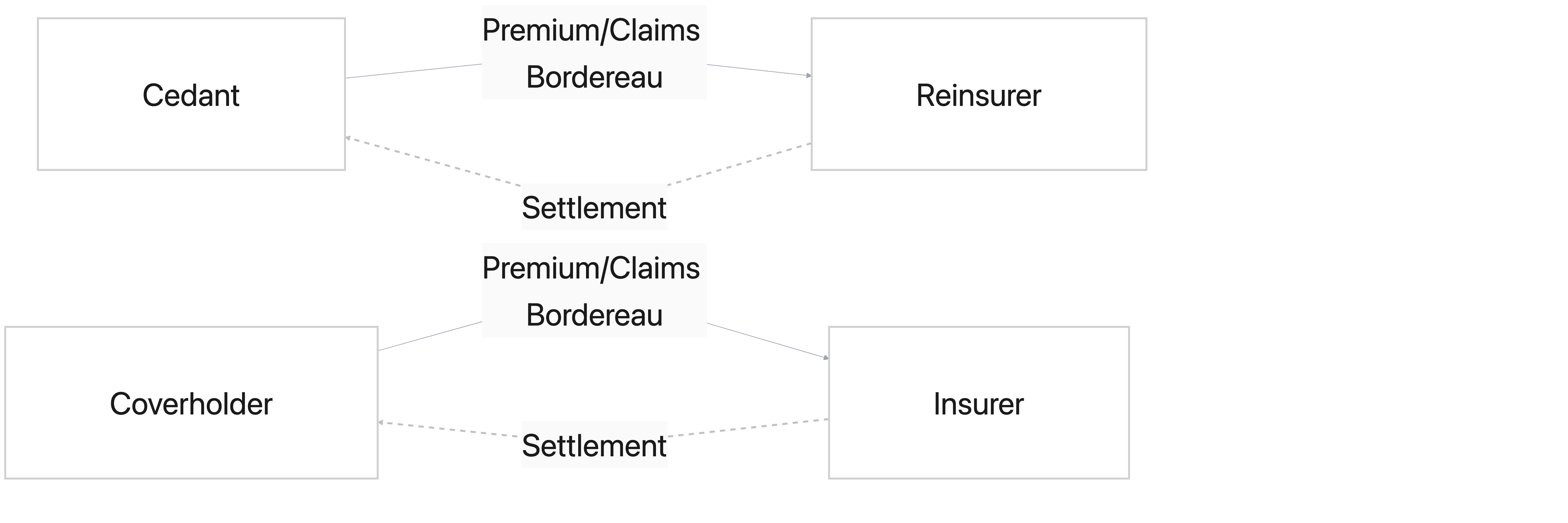
Reinsurance - Cedants report to reinsurers. The bordereau shows which risks have been transferred, premium volumes, and claims experience. This allows reinsurers to track their exposure without accessing the cedant's systems directly.
Delegated authority - Coverholders and MGAs report to insurers. When underwriting authority is delegated, bordereaux provide visibility into what business has been bound and how it's performing.
Three Main Types
Premium bordereau - Lists policies written. Contains insured details, coverage dates, premium amounts, commission, and policy identifiers. Submitted monthly or quarterly depending on agreement terms.
Claims bordereau - Documents loss activity. Includes loss dates, claim descriptions, payments made, reserves held, and settlement status. Updated as claims develop.
Risk bordereau - Describes individual exposures. More detailed than premium bordereaux, typically used where the receiving party needs granular risk information.
What Bordereaux Contain
Typical fields include:
- Policy or certificate numbers
- Insured names and addresses
- Coverage effective and expiry dates
- Premium amounts (gross, net, commission)
- Class of business or risk codes
- Geographic information
- Claims details (if applicable)
Lloyd's Coverholder Reporting Standards specify the required fields for each type of bordereau - typically 40 to 60 or more for premium and 30 to 50 or more for claims, depending on class of business, with a core set mandatory for every submission. Other insurers define their own requirements.
Terminology
The singular is "bordereau" (one report). The plural is "bordereaux" (multiple reports). The French plural form is standard in insurance.
"BDX" is common shorthand, particularly in the Lloyd's market.
Why Format Matters
Bordereaux enable oversight and reconciliation, but format inconsistency creates challenges. Each coverholder typically exports data differently - different column names, date formats, and field structures.
Receiving organisations spend significant time normalising bordereaux into consistent format before they can be analysed or loaded into systems. Learn more about what clean data actually costs when normalising multiple sources.
Modern platforms handle bordereaux normalisation automatically. Read about how automation applies to insurance or get in touch to learn more.